We are excited to offer “Outside Voices,” presentations featuring diverse voices on outside adventures, wilderness perspectives, and a variety of ADK topics
Join Us at our Chapter Meetings!
Second Wednesday of the Month
September – June
Free and Open to the Public
6:30 pm Workshop or Social: your choice! Join us!
7:30 pm GVC Chapter business
7:35 pm Presentation
Eisenhart Auditorium
Rochester Museum and Science Center
657 East Avenue, Rochester, NY
You will hear us!!
GVC has purchased an induction loop to provide those of us who need hearing assistance. It will be in operation at Chapter meetings. You can use it in at least 2 ways: if you use hearing aids that are equipped with a t-coil, just turn on that feature for the presentation. We also have 5 personal receivers for individual use. Either way, you will have an enhanced experience.
Contact Bill Lindenfelser or Katy Kuczek for more info.

CHAPTER MEETING
Wednesday, October 14, 2026
6:30pm Workshop: Head For The Hill! A People’s History of Cobb’s Hill Park and Washington Grove. Humans have always been drawn to the highest peak and in Rochester, that would be the Pinnacle Range. Cobbs Hill, in that range, has long been an attraction, from its earliest days as a high point along a Seneca portage trail, to its most recent days as a gathering spot for festivals, games, exercise and fun. This presentation traces the history of this unique spot highlighting its important uses in early trade and migration, through its mining days and into its current days as a nexus point for recreation for the diverse population of the City of Rochester.
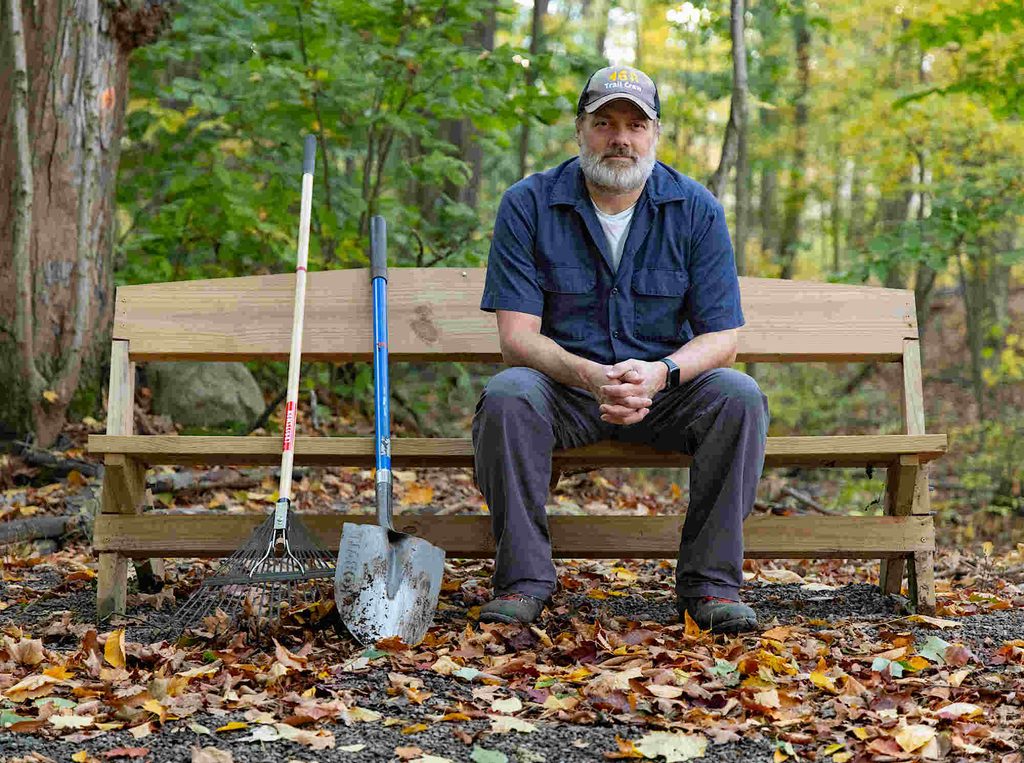
Larry Champoux has hiked a bunch of trails–from the Adirondacks to the Celestial Mountain in Kyrgyzstan, from the avant garde gallery walls and stages of Pyramid Arts Center to the advertising rooms of Frontier Communications and many points in between. Throughout it all, he has had a fascination with the history of “exactly where you are,” and this presentation is a result of his research after living next to Washington Grove for over 20 years.
7:30 pm Program:
Portraits of Adirondack 46Rs
by Kate Sage
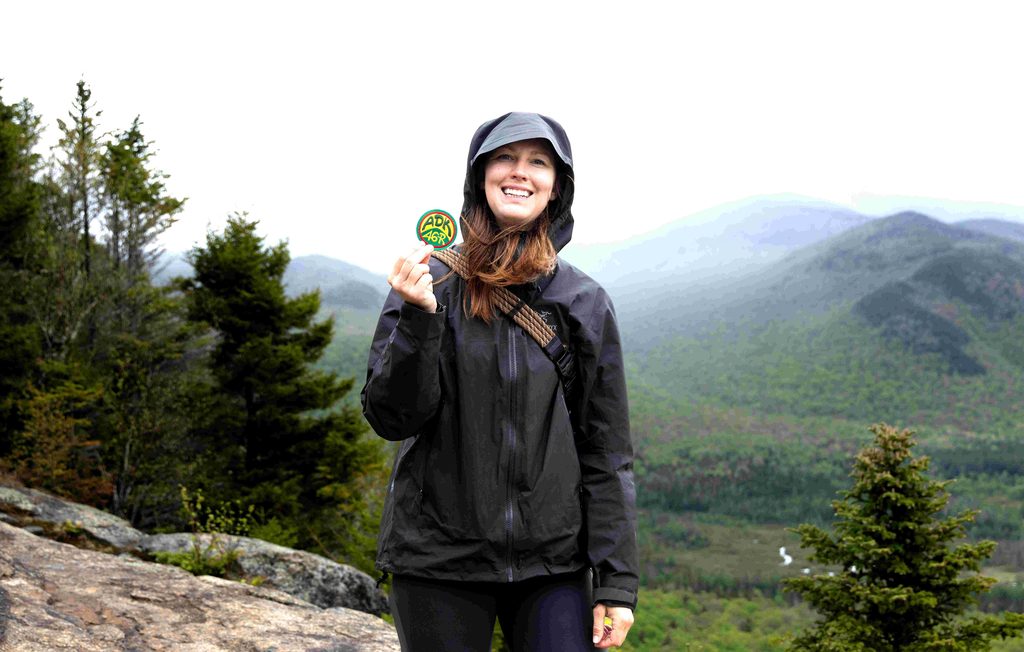
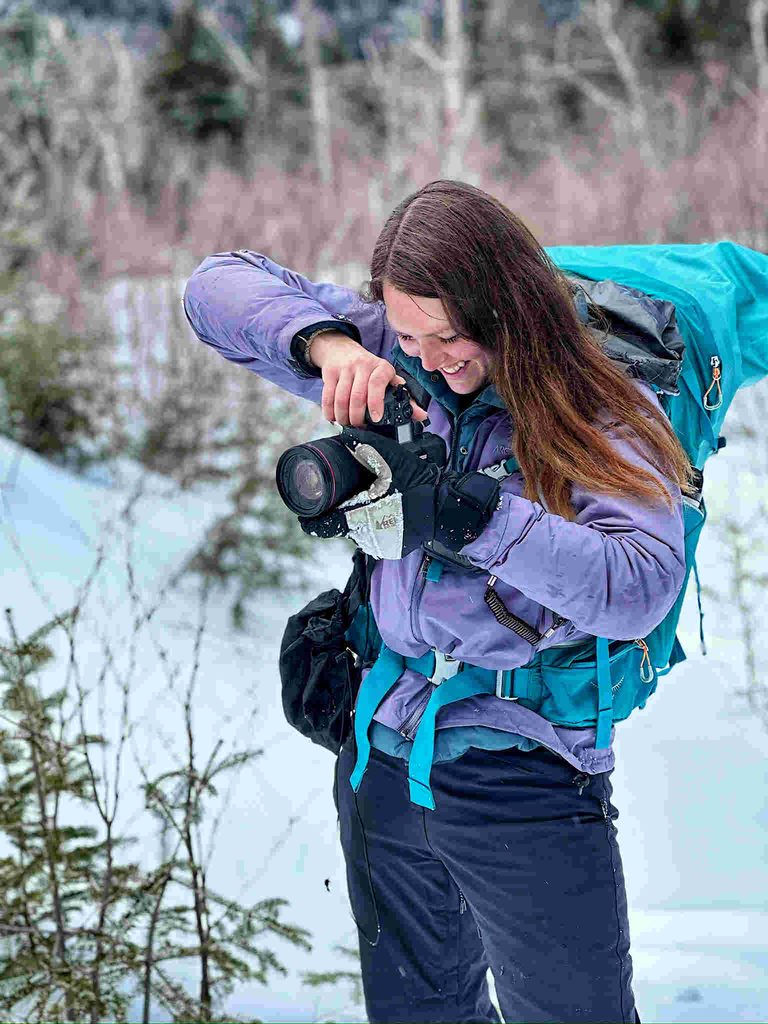
Kate Sage’s portrait series explores what it means to be an Adirondack 46er beyond the accomplishment of reaching all 46 High Peaks. Through portraits and personal stories, Sage examines the different ways people find meaning in the mountains, from challenge and personal transformation to community, mentorship, stewardship, and giving back.
There is no single path through the Adirondacks. Some are chasing all 46 peaks, some are still working toward the goal, and others have found their place through mentorship, stewardship, or simply returning to the mountains again and again, always leaving it a better place than they found it. Together, their stories show that the 46er experience is about far more than a list of summits.
For some, the mountains become a place to rebuild. For others, they become a place to push their limits, find community, or discover a deeper connection to the landscape. Through photographs and stories, Sage looks beyond the summit to explore the people behind the challenge and the experiences that keep them coming back. At its heart, the project asks a simple but much bigger question: What do the mountains give us, and what do we give back?
Looking ahead:
Wednesday, November 11, 2026
7:30 pm Program:
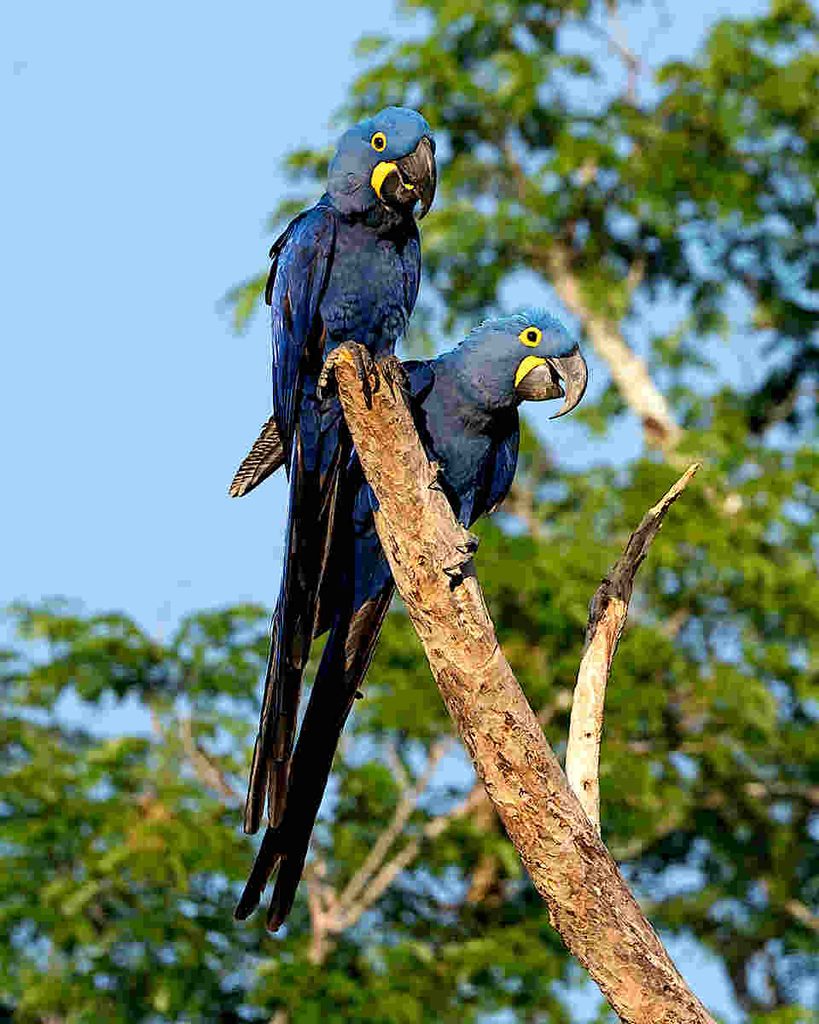
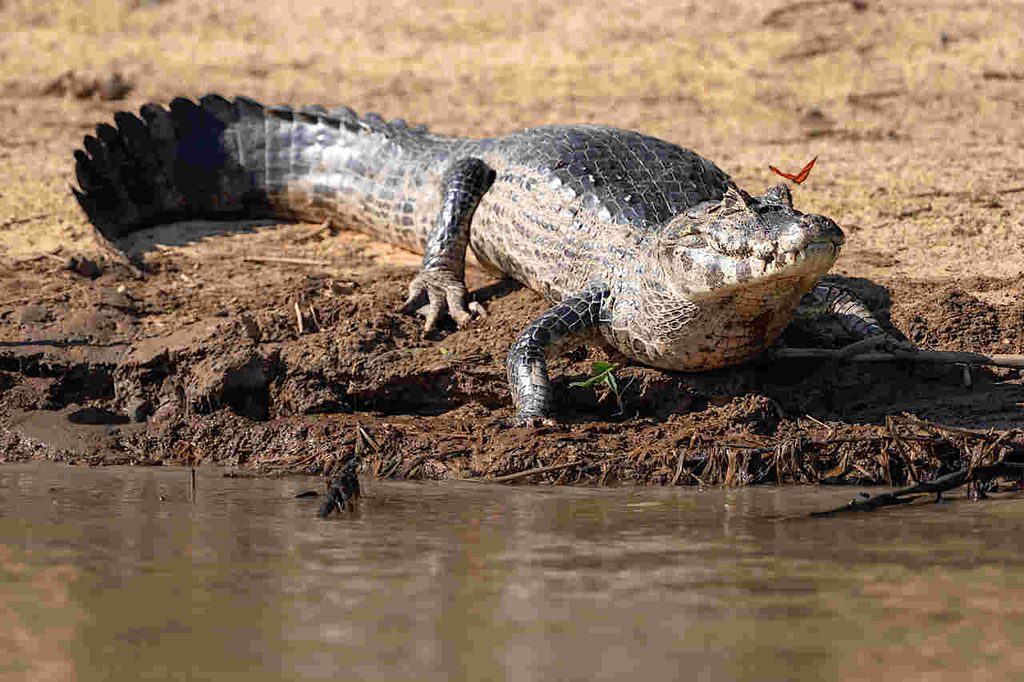
The Pantanal
by Jerry Miller
In the middle of South America , in southwest Brazil lies a region known as the Pantanal. The Pantanal is the Worlds largest tropical wetland and seasonal floodplain. It covers an estimated area of between 54,000 to 81,000 square miles or about 43.5 million acres, roughly the size of the U.S. state of Washington. The majority of the Pantanal, about 80%, is in the Brazilian states of Mato Grosso and Mato Grosso do Sol. The remaining 20% extends into Bolivia and Paraguay. During the rainy season, November through March, the Pantanal receives an average rainfall of between 40 – 60 inches, turning the lowlands into a giant shallow inland sea, raising water levels several meters and making many roads impassable.
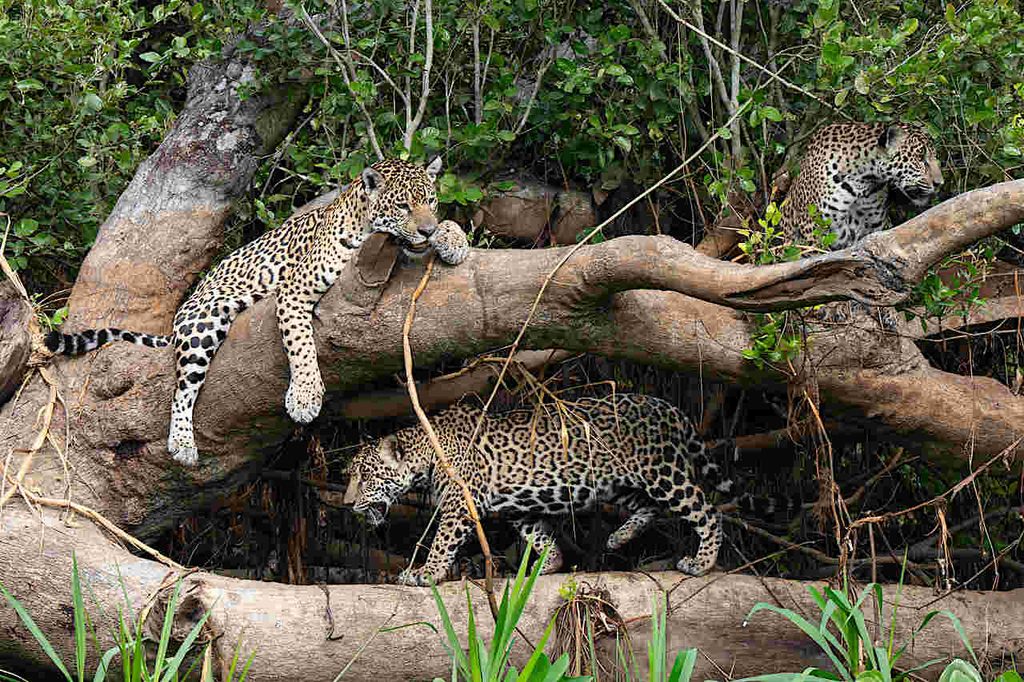
While not as well known as the Amazon to the north, the Pantanal is one of the most biologically rich environments on the planet with more than 4700 plant and animal species.The World Wildlife Fund for Nature estimates there are 650 species of birds, 159 species of mammals and 98 species of reptiles in the Pantanal. The Pantanal contains South America’s highest concentration of some iconic wildlife species, including jaguars, caiman and giant river otters.
Jaguars in the Pantanal are about twice the size of jaguars in other regions of South or Central America. Adult males in this area range between 220-280 lbs with the largest pushing 300 lbs. The Pantanal also has the highest concentration of jaguars in the world with some areas reaching up to 12 individuals per 38 square miles. About 90% of a jaguars diet in this area is made up of caiman. The caiman population in the Pantanal is estimated to be 10 million.
In August of this year, I spent ten days traveling in the Northern Pantanal photographing the unique and amazing wildlife that calls the Pantanal home. The majority time was spent in a long, narrow motorboat called a voadeira, exploring the Cuiaba and Piquiri Rivers and their various tributaries and channels, in search of jaguars and other wildlife.
In my presentation I will describe where and what constitutes the Pantanal and some of the challenges it faces. I’ll talk about my trip to get there, places I stayed and my travels in the Pantanal. My presentation will include many images of the wildlife I photographed and I’ll share some interesting facts about these unique creatures.
Wednesday, December 9, 2026
7:30 pm Program:
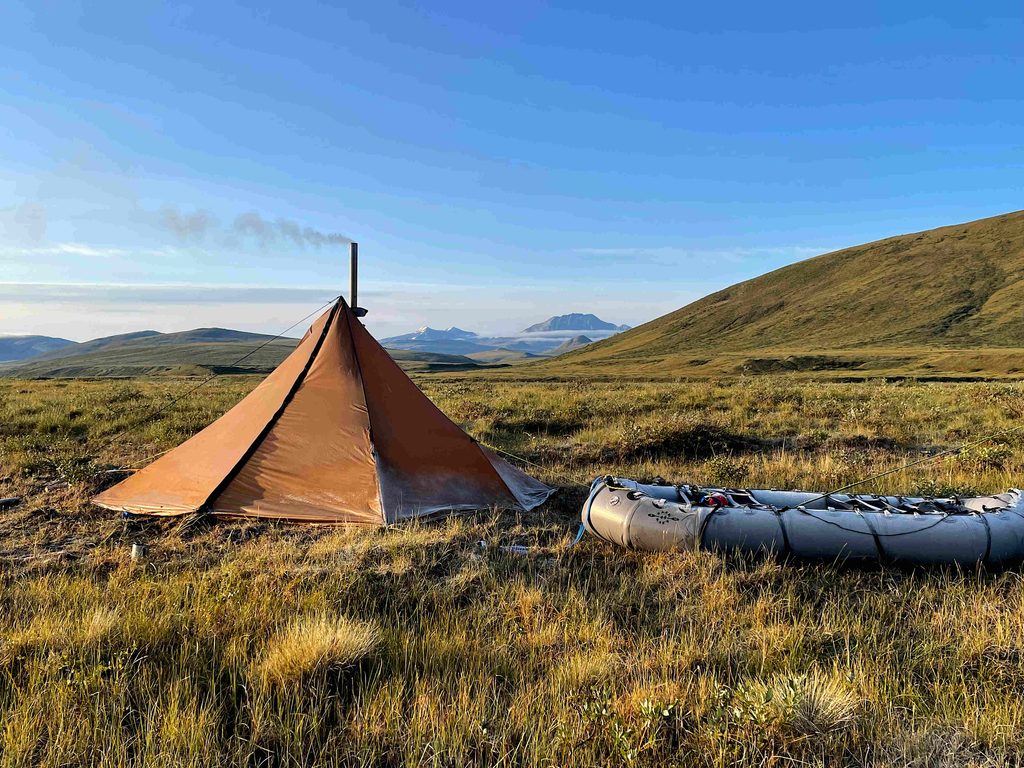
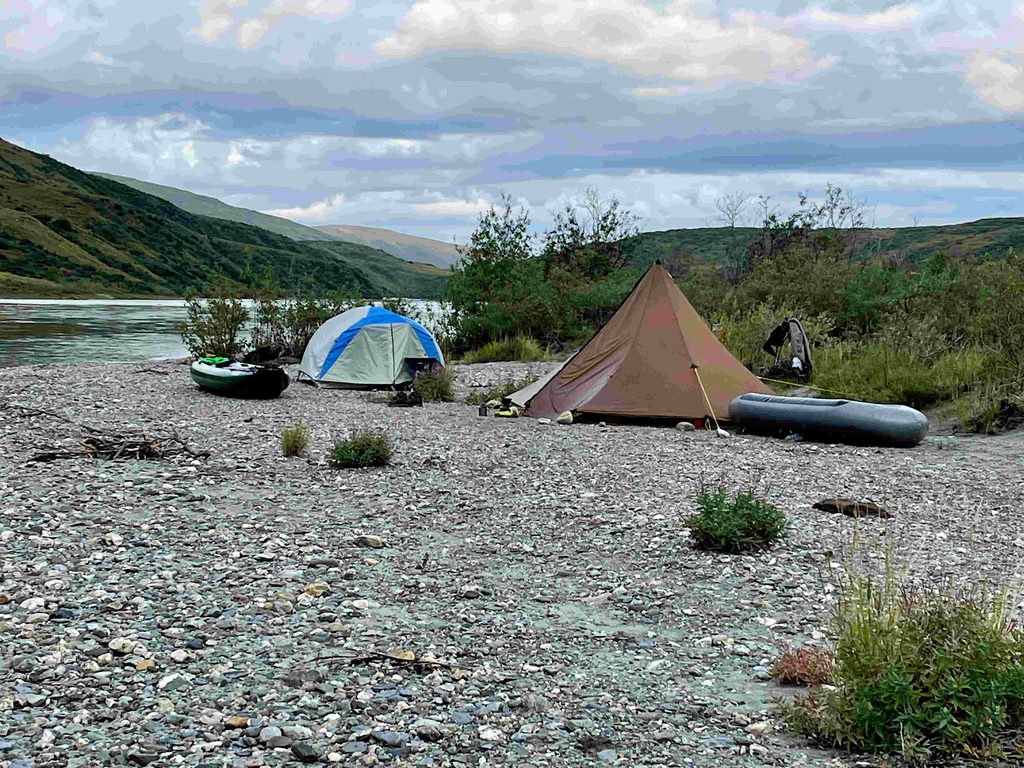
Packrafting the Gates of the Arctic: A Tale of Two Rivers
by Don Winters
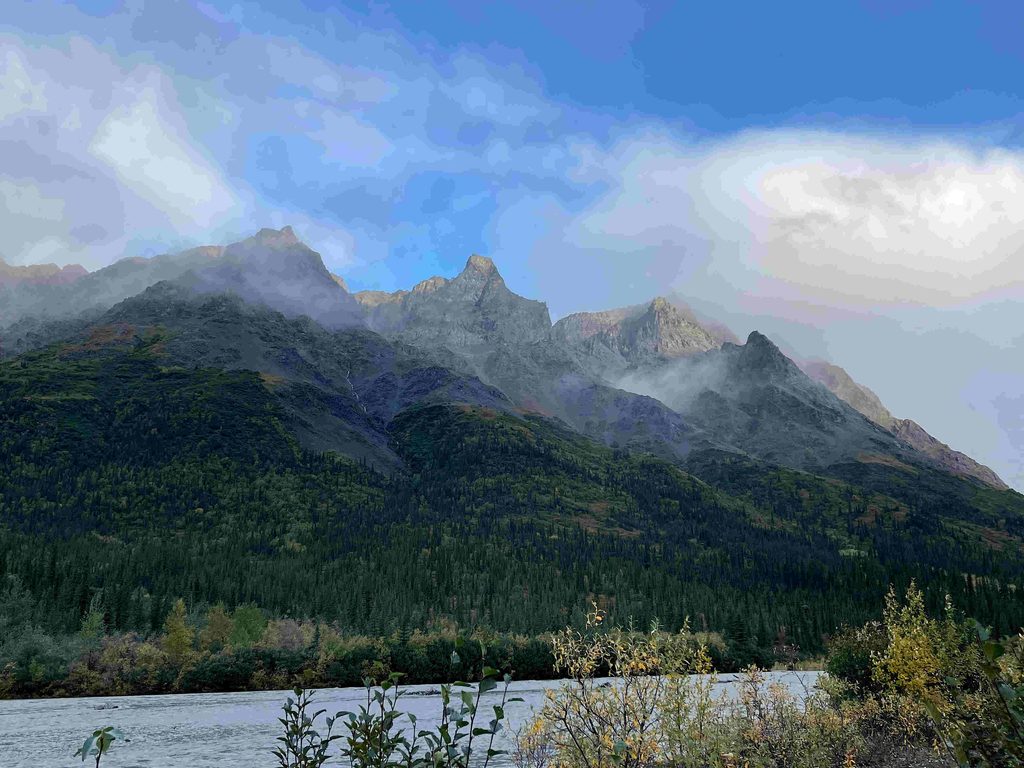
The Gates of the Arctic National Park and Noatak Preserve represent the largest contiguous wilderness in the U.S. Larger than Vermont and New Hampshire combined, this arctic land
scape, all within the Arctic Circle, is home to six National Wild and Scenic Rivers. In the early autumns of 2021 and 2023, my friend Carl and I spent twenty days pack-rafting two of these rivers, the Noatak and the North Fork of the Koyukuk.
The Gates of the Arctic National Park, for all of its magnificent scenery and wildlife, ranks last in US National Park visits, with fewer than 12,000 visitors annually. The park’s isolation is a significant factor in the low visitor numbers. Carl and I spent the better part of two days getting to Bettles, Alaska, where we would spend the night sleeping in an airplane hangar, The next day we would board a bush plane and fly to our final destination. Unfortunately, that destination did not turn out to be the destination we expected. Months of careful planning and effort did not prevent our DIY Arctic adventure from quickly shooting down a completely unexpected path.
After a restless night in the open-air hangar, we walked to the office of Brooks Range Aviation, in Bettles, Alaska to get the details of our bush flight. Judy, the office manager and co-owner, informed us that the gravel bar landing area on the North Fork was so degraded by recent flooding that they couldn’t land us there. “Where would you like to go instead?” Now this is the moment when a Plan B would be very handy! We had no Plan B. In an obvious effort to calm our nerves, Judy said, “your plane will be ready to leave in half an hour.”
I suddenly wondered if this sort of situation led Mark Twain to write “Good decisions come from experience, experience comes from bad decisions.” Carl and I had never discussed a Plan B. We only had one plan. Our months of logistics planning, acquiring and studying maps, locating river hazards was singularly focused on pack-rafting the North Fork of the Koyukuk River. Our dream of floating this Wild and Scenic River that rushed out of Alaska’s Endicott Mountains, suddenly felt like it was slipping from our grasp. None of that mattered at the moment. We had to make a decision.
For more than 50 years, Don has traveled to wild places to backpack, canoe, and more recently, pack raft. His travels have taken him to wilderness areas in the Rocky Mountains, Canada, and frequently to Alaska. He is a proud father and grandfather, a US Navy submarine veteran, and pleasantly retired. Don resides in Alfred, NY.
Past Meetings
You can see videos of past meetings here.